

Your furniture layout directly impacts how fast you can serve customers.
Most restaurant owners think about furniture in terms of style — does it match the vibe? Does it look good in photos? But the operators who consistently outperform their competitors think about furniture differently. They think about flow, about time, and about how every chair, stool, and booth either moves money through the room or slows it down.
If you want to run a tighter operation, it starts with how you design your floor plan.
Seat Height Is a Signal
This sounds small, but it isn’t: the height of your seating sends a subconscious message to your guests about how long they’re expected to stay.
Counter-height and bar-height seating — think barstools at a high-top — signals a quicker, more casual experience. Guests sit slightly forward, they’re more alert, and they naturally move through their meal at a faster pace. Standard dining chair height, especially when paired with a comfortable booth, does the opposite. It invites guests to settle in, relax, and linger.
Neither is wrong. But knowing the difference lets you use each intentionally.
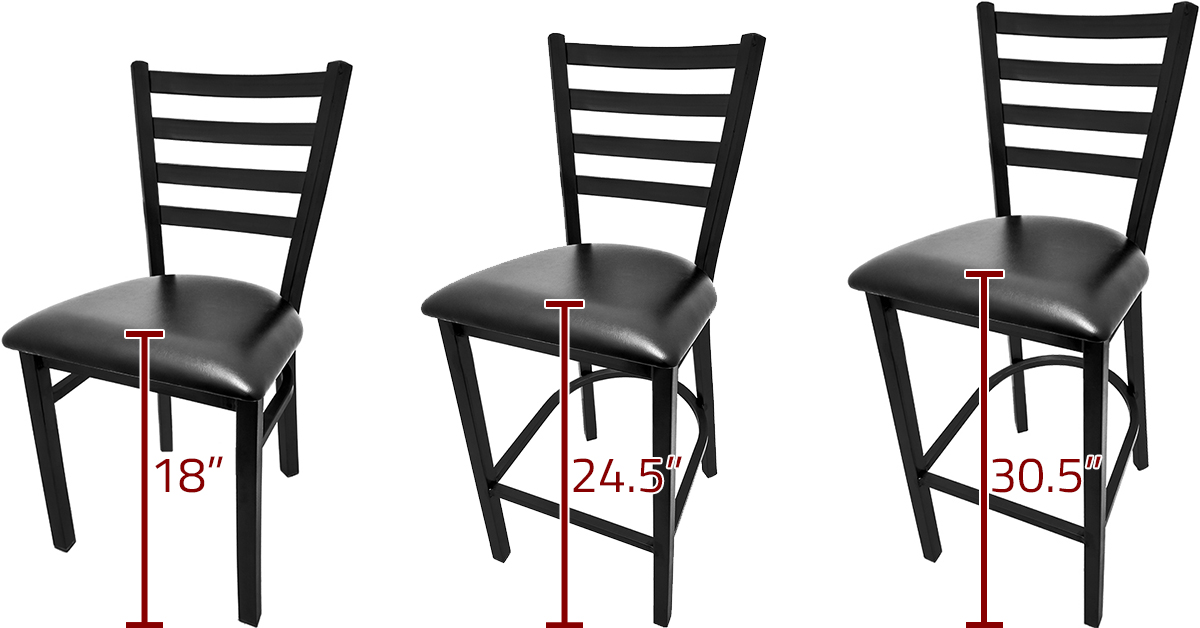
Barstools = Faster Dining Cycles
If table turnover is a priority in certain parts of your restaurant — near the entrance, around the bar, in a quick-service section — barstools are one of your best tools.
Guests seated at bar height tend to dine 15–20% faster than those in standard dining chairs, simply due to posture and the psychological cues the environment sends. They order quicker, eat quicker, and are less likely to sit and chat for an extended period after the check arrives.
Swivel vs. stationary barstools matter here too. Swivel stools are more comfortable for longer sits and social dining — they’re great for bar areas where you want guests engaged. Stationary barstools work better in high-demand quick-turn zones where comfort matters, but extended lounging doesn’t. Oak Street offers both, in a range of styles and finishes that fit everything from a fast-casual concept to an upscale sports bar.
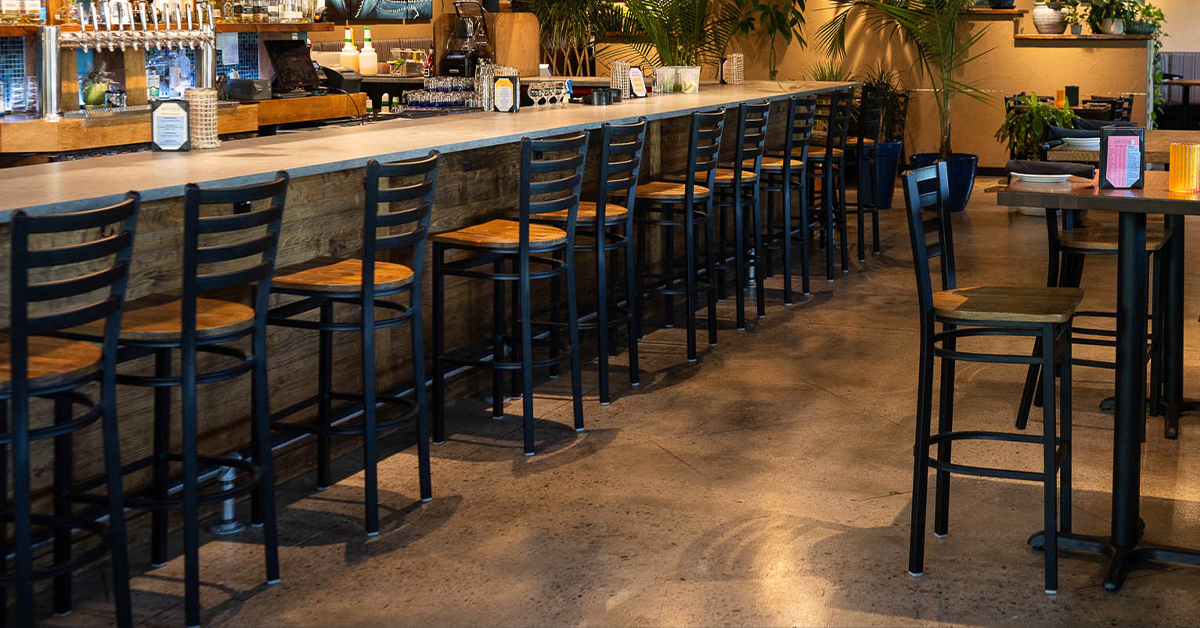
Booths = Longer Stays (Use Them Wisely)
Booths are the enemy of turnover — and one of the best things you can put in a restaurant. The key is knowing where to put them.
A booth offers privacy, comfort, and a sense of occasion. Guests in booths stay longer, order more, and are more likely to return. For dinner service at a full-service restaurant, that’s exactly what you want. The higher check averages and guest satisfaction scores more than offset the slower turns.
But putting booths in your highest-traffic zone — next to the door, along the main server corridor, in your busiest section — means you’re giving your most-turned real estate to your slowest-moving seating type. That’s a costly mismatch.
Use booths to anchor your dining room and reward guests who want a fuller experience. Use bar-height seating and standard chairs to keep your high-demand zones moving.
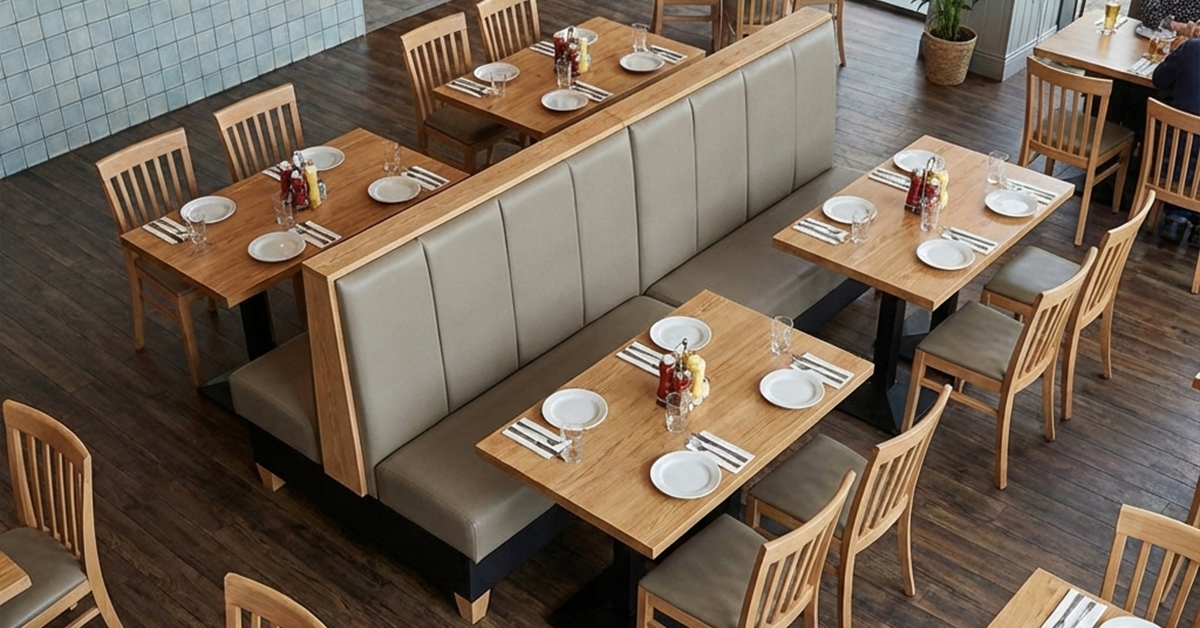
How to Zone Your Floor Strategically
Think of your floor plan as a system with different speed settings:
Fast zone: Near the entrance, bar, and quick-service areas. Use barstools and counter-height tables. Keep sightlines open. Make it easy to get in, order, eat, and go. This is your turnover engine.
Mid zone: Standard dining chairs at regular table height. Good for flexible seating that works for both a 45-minute lunch and a 90-minute dinner. This is your workhorse section.
Slow zone: Booths and anchored seating along walls and in corners. This is where you put your guests who are celebrating, meeting for business, or dining for the experience. Slower turns, higher value.
When you mix seating types with intention, you’re not just decorating — you’re engineering revenue.
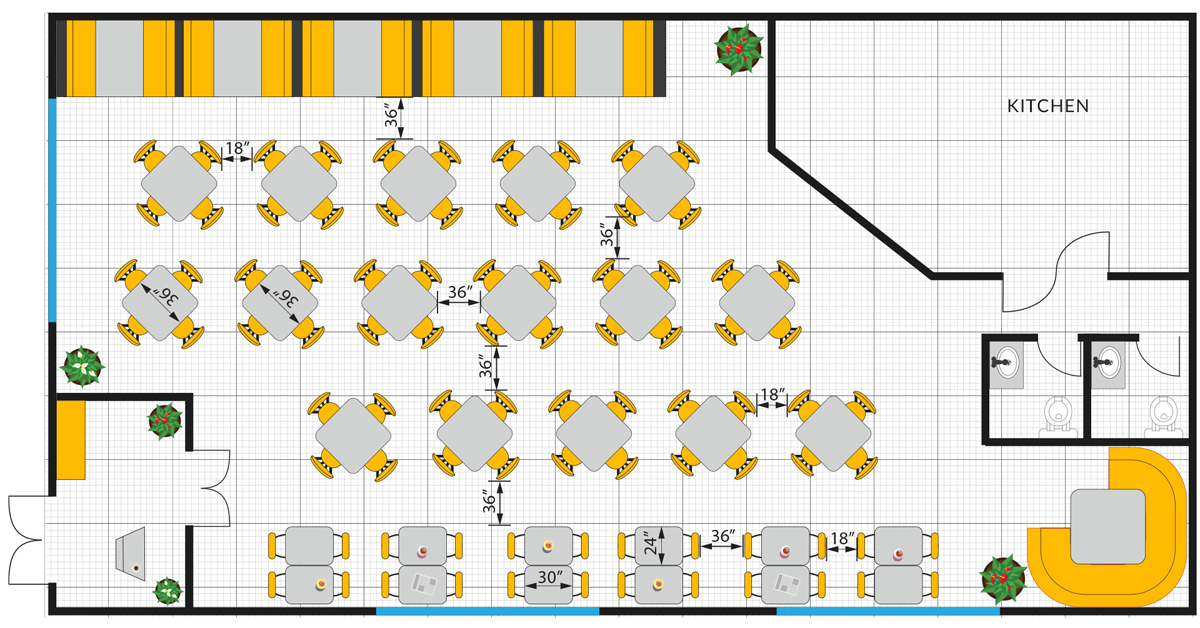
Tactical Tips to Implement Now
- Put barstools in your highest-demand zones — near the host stand, bar, and any quick-service counter. These seats should turn the fastest, so make sure the furniture supports that.
- Reserve booths for the perimeter — walls and corners are where booths shine. They define the room without blocking flow through the middle.
- Don’t mix heights randomly. A 42″ bar table next to a 30″ dining table looks like a mistake and creates awkward seating combinations. Be deliberate about your zones and keep the heights consistent within each one.
- Consider your server flow. Your furniture layout should make it easy for servers to move between tables without backtracking. Tight clusters of booths or awkward chair placement slows your team down just as much as it slows your guests.
Design Your Floor Like a System — Not a Showroom
A beautiful restaurant that can’t turn tables is a beautiful problem. The goal isn’t just a room that looks great — it’s a room that works: for your guests, your team, and your bottom line.
Oak Street Manufacturing offers barstools (swivel and stationary), dining chairs, booths, and custom mixed-seating solutions built specifically for commercial restaurant environments. Whether you’re outfitting a single zone or redesigning your entire floor plan, our team can help you put the right furniture in the right places.
Ready to design a floor that works as hard as you do? Contact our team or browse our full seating line here.