

Executive Summary
The restaurant industry enters 2026 in a paradoxical position: resilient, growing, and increasingly innovative—yet under persistent economic and operational pressure.
After years of disruption driven by inflation, labor shortages, supply chain volatility, and shifting consumer expectations, restaurants have evolved into more operationally complex businesses. Operators are balancing higher costs with elevated customer expectations while competing in an environment where convenience, personalization, speed, and experience matter simultaneously.
The numbers tell a story of momentum. Industry sales are projected to exceed $1.5 trillion, employment continues to recover and expand, and consumer demand for dining experiences remains durable. Yet topline growth does not necessarily translate to healthier margins. Restaurants across segments continue to face compressed profitability due to labor costs, food inflation, insurance increases, occupancy expenses, and heightened competition for guest attention.
At the same time, the definition of hospitality is evolving. Guests increasingly expect frictionless digital ordering, personalized loyalty experiences, omnichannel convenience, faster service, healthier menu options, and more flexible dining environments. Restaurant brands that successfully integrate operational discipline with customer-centric innovation are outperforming peers.
This executive overview examines the key forces shaping the restaurant industry in 2026, including:
- Market performance and growth outlook
- Consumer behavior shifts and spending priorities
- Margin pressures and operational economics
- Labor and workforce transformation
- Technology adoption and digital acceleration
- Off-premise dining and omnichannel expectations
- Menu innovation and wellness trends
- Strategic outlook for the next 12–36 months
Introduction: A Larger Industry Facing Greater Complexity
Few industries reflect consumer confidence, demographic shifts, and economic sentiment as directly as restaurants.
Restaurants sit at the intersection of hospitality, labor, retail, logistics, technology, and real estate. As a result, even modest changes in economic conditions can have outsized operational consequences.
The restaurant industry of 2026 looks markedly different than it did even five years ago.
Dining rooms remain essential, but they now coexist with digital ordering ecosystems, delivery marketplaces, loyalty engines, ghost production models, and increasingly sophisticated operational technology. Restaurants are no longer simply foodservice businesses; they are multi-channel consumer platforms competing for both attention and wallet share.
Consumers continue to dine out—but they are spending more selectively.
Operators continue to hire—but they are seeking productivity gains.
Technology adoption continues to rise—but profitability remains uneven.
The result is an industry defined less by recovery and more by adaptation.
1. Industry Growth: Strong Revenue, Uneven Profitability
The Big Picture
By nearly every macroeconomic measure, the restaurant industry remains one of the largest and most influential sectors of the U.S. economy.
Total industry sales are expected to surpass $1.5 trillion in 2026, reinforcing restaurants as a major engine of employment, discretionary spending, and local economic activity.
At first glance, this growth appears overwhelmingly positive. However, headline sales figures only tell part of the story.
For many operators, increased revenue reflects pricing adjustments as much as organic traffic growth.
In practical terms, a restaurant generating 12% more revenue than it did in 2022 may not necessarily be more profitable. Menu price increases, inflationary pass-through costs, and higher average check values often obscure persistent pressure on margins.
GRAPH: U.S. Restaurant Industry Sales Growth (2019–2026)
| Year | Estimated Industry Sales |
|---|---|
| 2019 | $863B |
| 2020 | $659B |
| 2021 | $799B |
| 2022 | $997B |
| 2023 | $1.1T |
| 2024 | $1.3T |
| 2025 | $1.46T |
| 2026 | $1.55T+ |
 |
 |
 |
Revenue Growth ≠ Margin Expansion
Restaurants continue operating in one of the narrowest-margin industries in the economy.
Despite strong demand, operators are contending with:
- Wage inflation
- Food cost volatility
- Higher rent and occupancy expenses
- Insurance increases
- Technology subscription costs
- Third-party delivery commissions
- Utility and equipment maintenance increases
The result is a common executive dilemma:
Restaurants are often growing revenue faster than profit.
A recurring industry theme in 2026 is disciplined operational efficiency. Winning operators increasingly focus on labor optimization, menu engineering, seating efficiency, inventory control, procurement discipline, and guest retention rather than relying solely on topline growth.
Executive Takeaway
In 2026, restaurant success is increasingly measured not by sales volume alone, but by operational quality of earnings.
2. The Consumer in 2026: Value-Conscious, Experience-Seeking, and Digitally Conditioned
If there is one force reshaping restaurants more than inflation, it is the changing psychology of the guest.
Consumers remain willing to spend on dining—but expectations have fundamentally shifted.
The modern restaurant customer increasingly behaves according to three priorities:
1. Value
Value does not necessarily mean cheap.
Consumers have become highly selective about discretionary spending. Guests are willing to pay premium prices if they perceive a proportional increase in quality, experience, convenience, or uniqueness.
This explains why many premium fast casual concepts continue growing despite economic uncertainty.
Consumers ask:
“Is this worth the spend?”
Restaurants unable to answer that question through quality, service, speed, atmosphere, or consistency face mounting pressure.
2. Experience
Dining out remains experiential.
Even amid inflationary pressure, restaurants continue benefiting from consumer preference for experiences over physical goods.
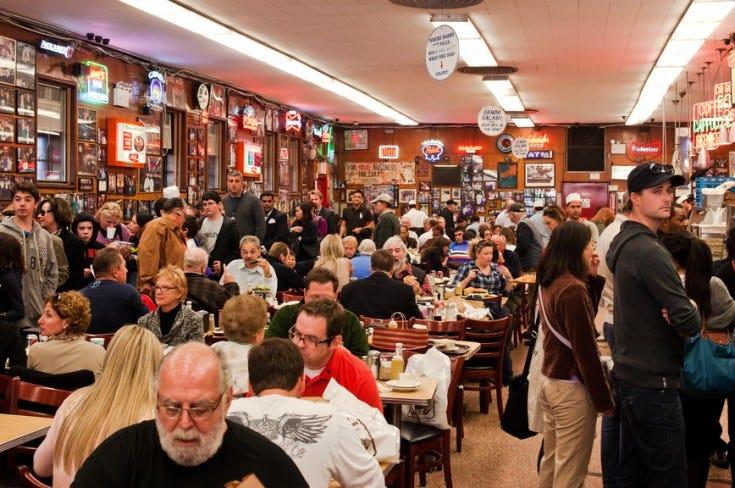
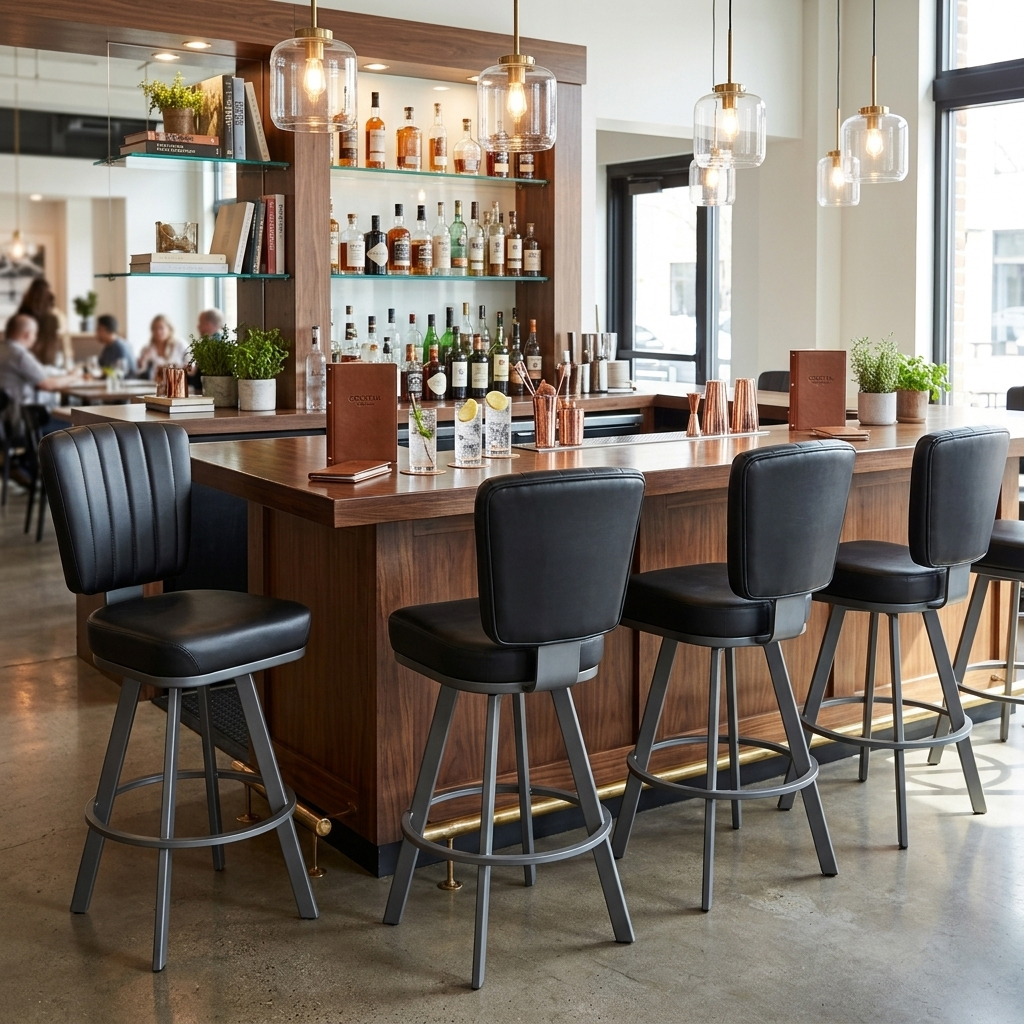
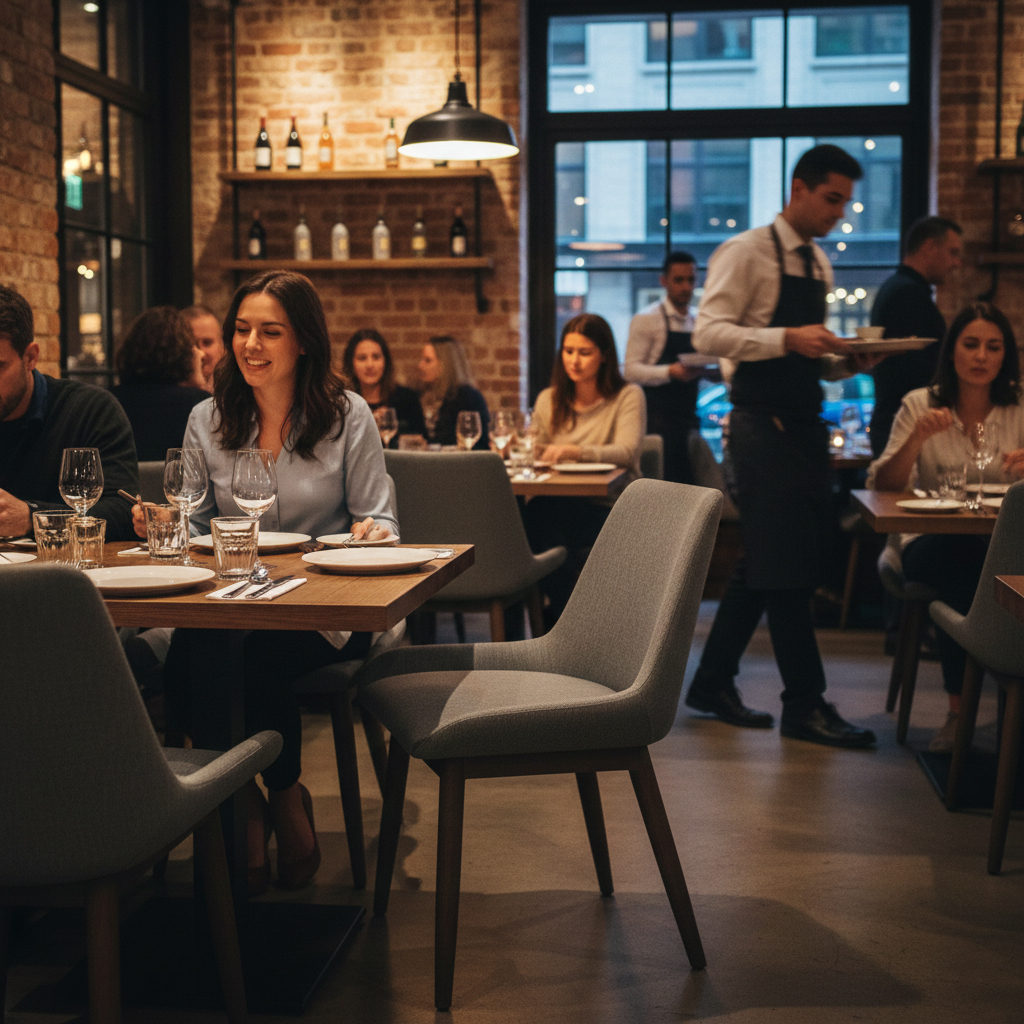
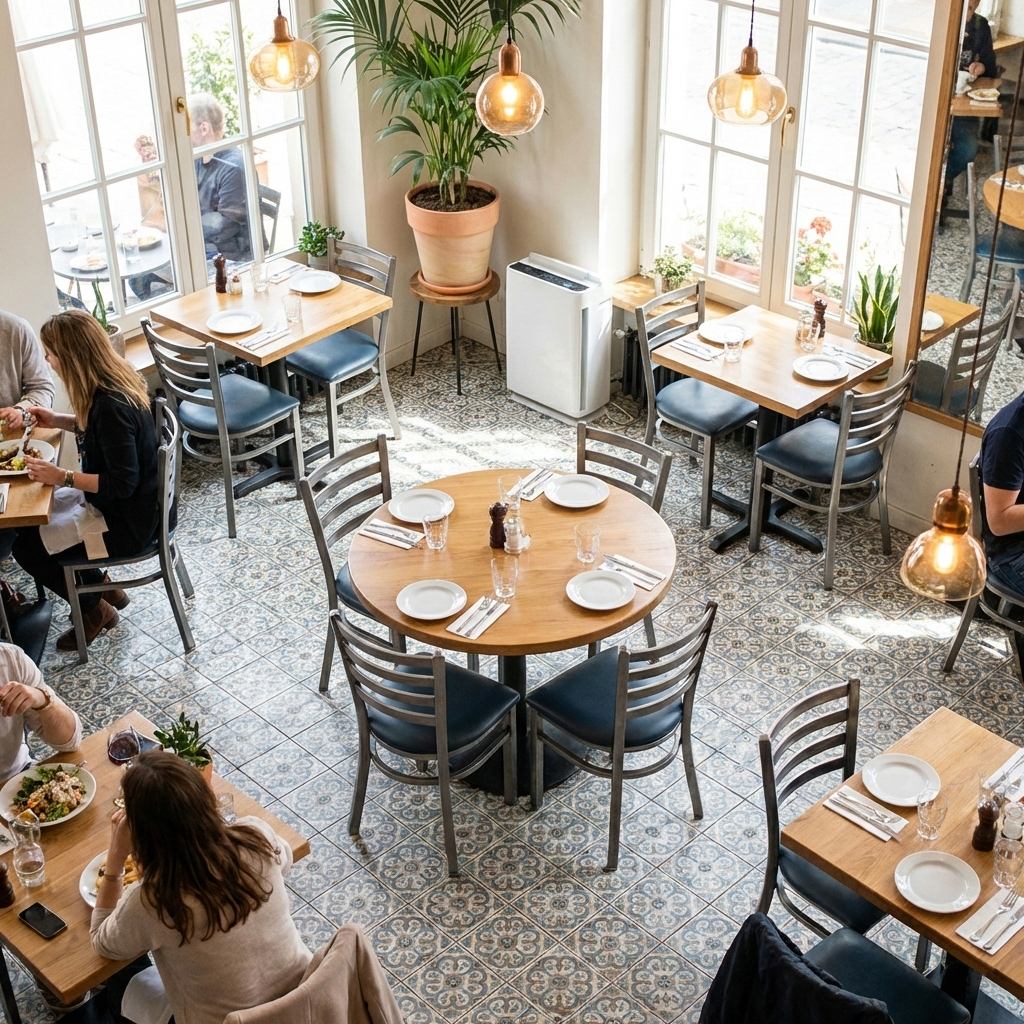
Ambiance, comfort, design, hospitality, acoustics, seating, social shareability, and emotional resonance increasingly matter.
For many guests, restaurants function as:
- Social destinations
- Entertainment venues
- Flexible workspaces
- Celebration spaces
- Community environments
The implication for operators is straightforward:
Physical environments matter more than many expected in the digital era.
 |
 |
 |
Consumers increasingly expect frictionless experiences.
The average diner in 2026 may interact with a restaurant through:
- Mobile ordering
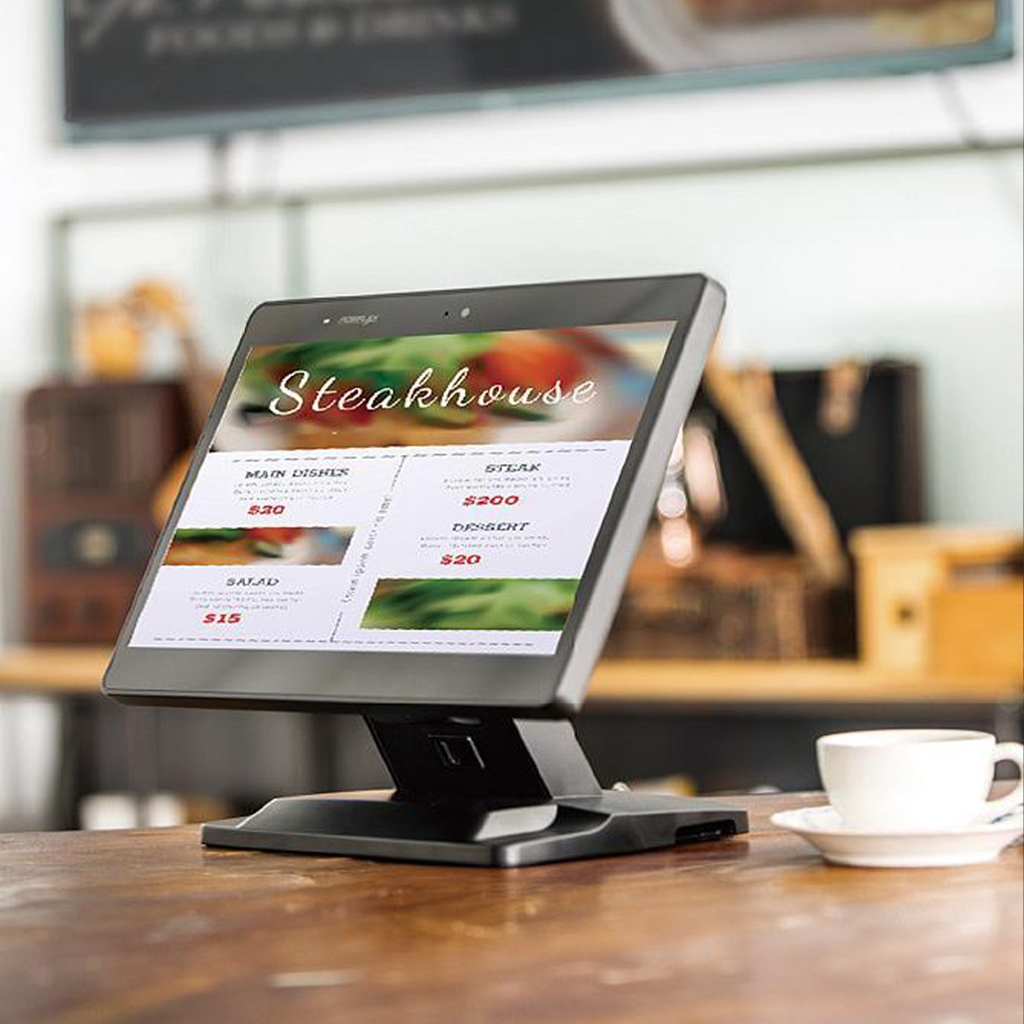
- QR code menus
- Loyalty apps
- Digital payment
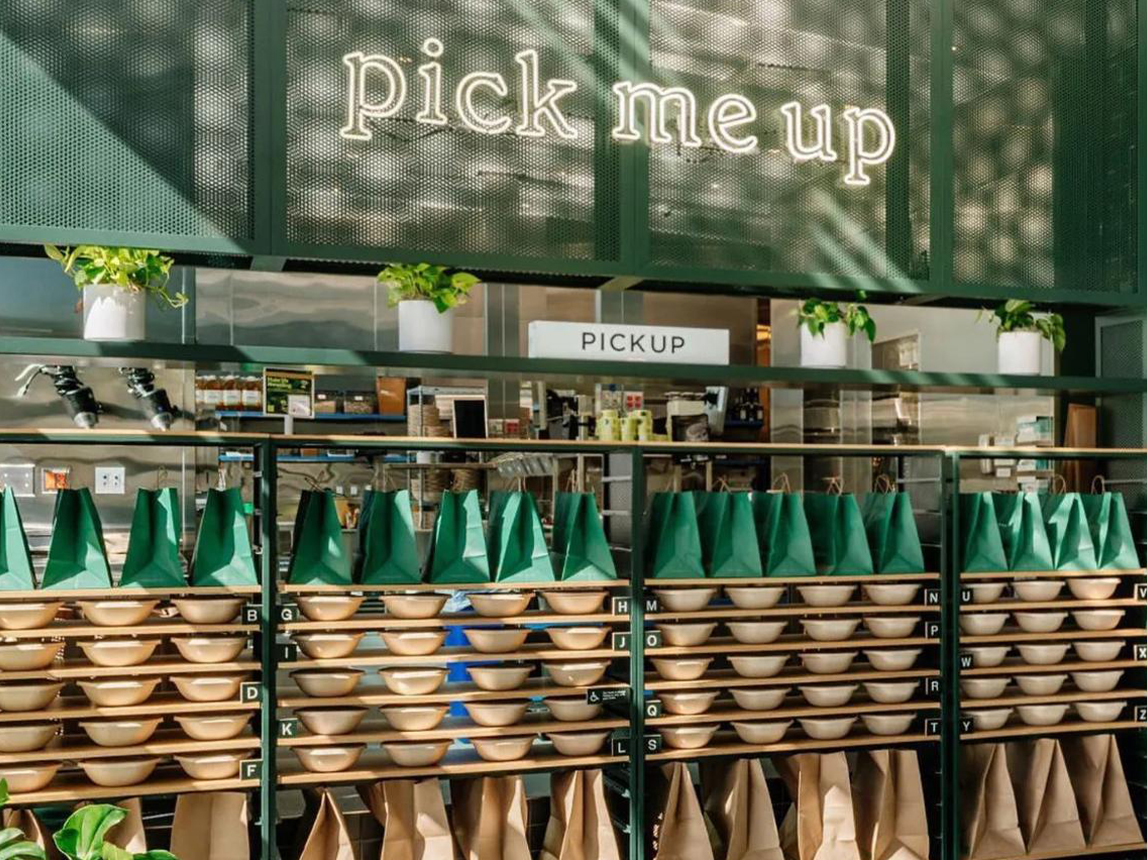
- Pickup shelves
- Delivery platforms
- SMS promotions
- Personalized recommendations
Convenience has shifted from competitive differentiator to baseline expectation.
Slow checkout processes, inaccurate orders, confusing pickup flows, or poor digital experiences increasingly damage customer retention.
GRAPH: Consumer Dining Priorities in 2026
| Priority | Relative Importance |
|---|---|
| Value for Money | Very High |
| Convenience | Very High |
| Food Quality | Very High |
| Speed of Service | High |
| Atmosphere/Experience | High |
| Health & Wellness | Moderate–High |
| Sustainability | Moderate |
Executive Takeaway
The 2026 guest is simultaneously budget-aware and expectation-heavy.
Restaurants must deliver both efficiency and emotional value.
3. Margin Pressure: Why Restaurants Still Feel Financially Constrained
One of the defining characteristics of the restaurant industry in 2026 is the disconnect between consumer demand and operator sentiment.
Guests continue dining out.
Yet many operators remain financially cautious.
Why?
Because operating expenses continue rising faster than many businesses can comfortably absorb.
Labor Costs
Labor remains the single largest controllable expense for most restaurants.
Higher minimum wages, retention incentives, scheduling inefficiencies, overtime pressures, and benefit expectations have permanently altered labor economics.
The conversation is no longer merely:
“How do we hire?”
It is increasingly:
“How do we become more productive per labor hour?”
Restaurants are investing in:
- Cross-training
- Simplified menus
- Labor forecasting software
- Kitchen automation
- Prep optimization
- Reduced operational complexity
Food Costs
Food inflation has moderated relative to earlier years but remains structurally elevated.
Commodity volatility, climate disruptions, freight expenses, and supplier pricing shifts continue affecting purchasing decisions.
Operators increasingly rely on:
- Menu engineering
- Portion discipline
- SKU reduction
- Strategic substitutions
- Dynamic sourcing
Many restaurants now redesign menus around margin resilience as much as culinary identity.
GRAPH: Top Restaurant Cost Pressures in 2026
- Labor
- Food & Beverage Inputs
- Rent/Occupancy
- Insurance
- Utilities
- Technology Platforms
- Delivery Commissions
Executive Takeaway
Restaurants in 2026 are not merely battling inflation.
They are adapting to a higher baseline operating cost environment.
4. Labor and Workforce Transformation
Staffing remains one of the most consequential strategic issues in foodservice.
The labor story in 2026 is no longer simply about shortages.
It is about workforce redesign.
Restaurant operators increasingly seek:
- Better retention
- More stable scheduling
- Higher productivity
- Reduced turnover
- Faster onboarding
Training systems, culture investment, and operational simplification are becoming competitive advantages.
The New Workforce Reality
Restaurants increasingly operate with leaner teams supported by smarter systems.
Examples include:
- QR ordering reducing order-entry friction
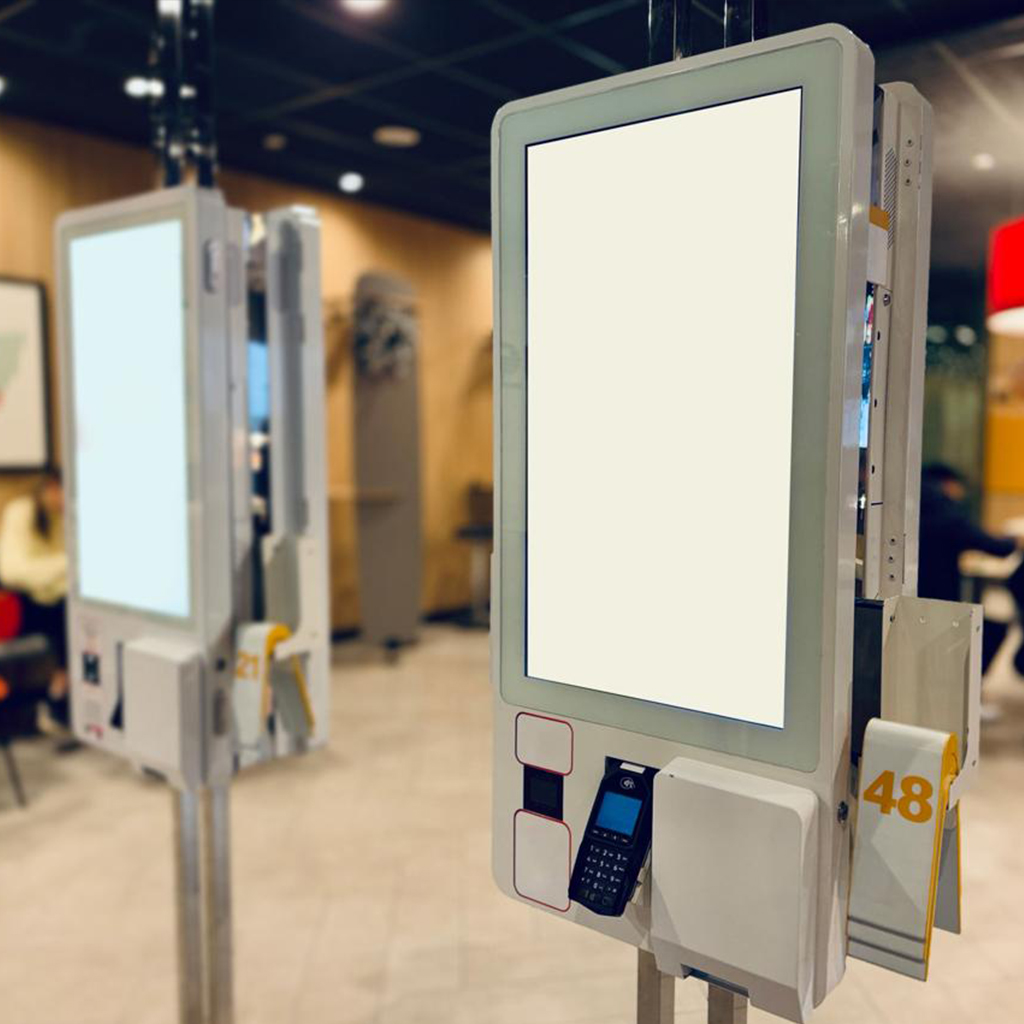
- Self-service kiosks for quick service brands
- Kitchen display systems improving throughput
- AI-assisted scheduling tools
- Inventory forecasting systems
Rather than replacing hospitality, technology increasingly augments employee productivity.
 |
 |
 |
Restaurant employees increasingly prioritize:
- Predictable schedules
- Workplace culture
- Advancement opportunities
- Flexibility
- Stability
Restaurants with stronger retention systems are reducing hiring costs while improving guest consistency.
Executive Takeaway
In 2026, labor competitiveness increasingly depends on retention and productivity—not headcount alone.
5. Technology Becomes Core Infrastructure, Not a Competitive Advantage
For much of the past decade, restaurant technology was framed as optional innovation—a differentiator that separated progressive operators from traditional ones.
In 2026, that framing no longer holds.
Technology has increasingly become operational infrastructure.
Restaurants are expected to deliver digital convenience, seamless transactions, personalized engagement, and operational efficiency as baseline experiences rather than premium enhancements.
The question has shifted from:
“Should we invest in restaurant technology?”
to:
“Which technology investments improve profitability, throughput, and guest satisfaction?”
The most effective operators are focusing less on novelty and more on practical return on investment.
The Restaurant Technology Stack in 2026
Across restaurant segments, technology adoption increasingly centers on five priorities:
1. Digital Ordering Ecosystems
Consumers increasingly expect ordering flexibility.
A single restaurant may now serve guests through:
- Dine-in ordering
- Native online ordering
- Mobile apps
- Third-party delivery marketplaces
- Pickup workflows
- Catering portals
The challenge is operational orchestration.
Restaurants that simplify fulfillment and reduce order friction tend to improve both guest satisfaction and labor efficiency.
2. Loyalty and Guest Retention
Acquiring customers remains expensive.
As a result, operators increasingly prioritize retention.
Modern loyalty systems extend beyond points programs and increasingly include:
- Personalized offers
- Behavioral recommendations
- Visit frequency incentives
- SMS marketing
- Lifecycle engagement campaigns
The goal is not simply more transactions, but greater guest lifetime value.
3. Artificial Intelligence and Automation
AI adoption in restaurants continues expanding—though often in quieter, operational ways than headlines suggest.
Examples include:
- Forecasting demand
- Labor scheduling optimization
- Inventory management
- Dynamic pricing recommendations
- Guest sentiment analysis
- Customer support automation
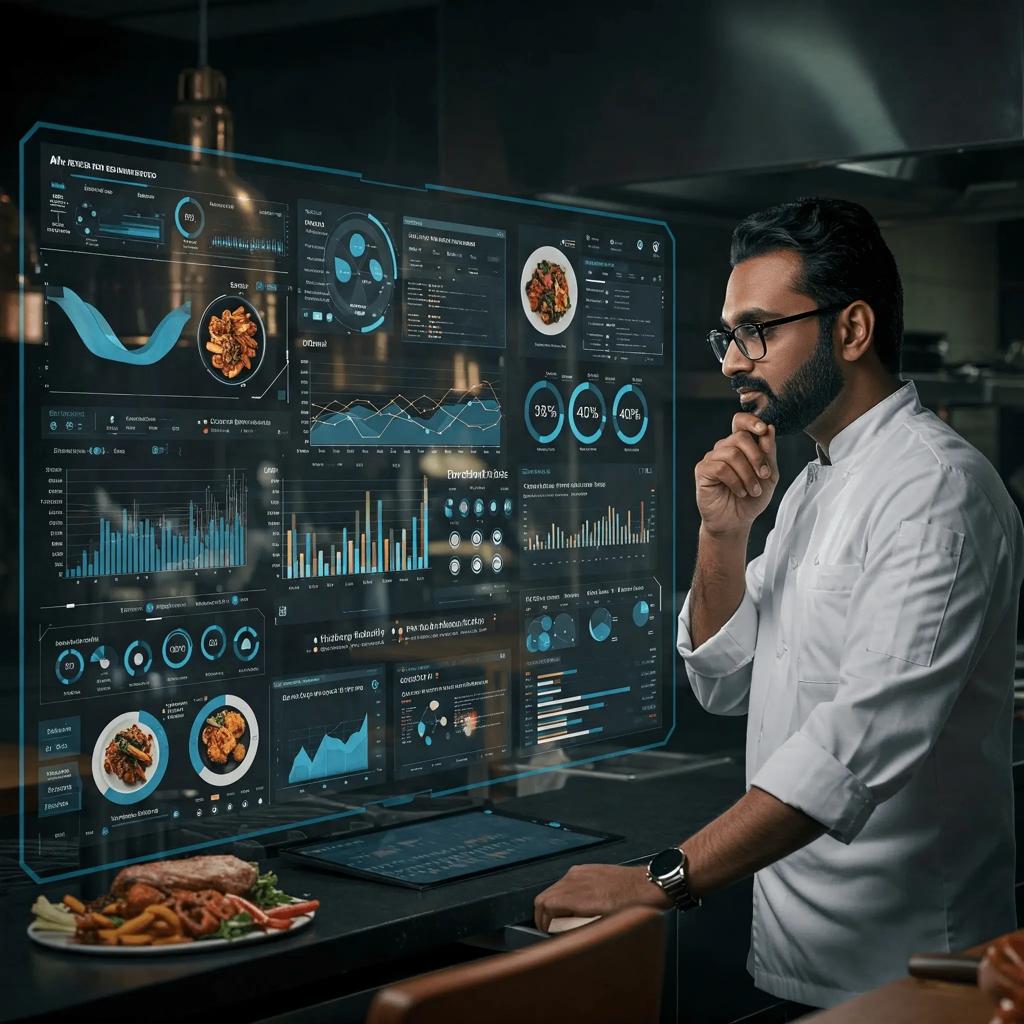
For many operators, AI functions less as spectacle and more as efficiency software.
 |
 |
 |
GRAPH: Restaurant Technology Priorities in 2026
| Technology Area | Adoption Priority |
|---|---|
| Online Ordering | Very High |
| POS & Analytics | Very High |
| Loyalty Platforms | High |
| Scheduling Automation | High |
| Inventory Forecasting | High |
| Self-Service Kiosks | Moderate |
| AI Decision Support | Growing |
Executive Takeaway
Technology in 2026 is increasingly evaluated by one metric:
Does it improve operational efficiency or guest lifetime value?
6. Off-Premise Dining Is Permanent—But Dining Rooms Still Matter
The restaurant industry has settled into a new equilibrium.
Dining rooms remain central to hospitality, but off-premise channels are no longer supplemental revenue streams.
They are foundational business lines.
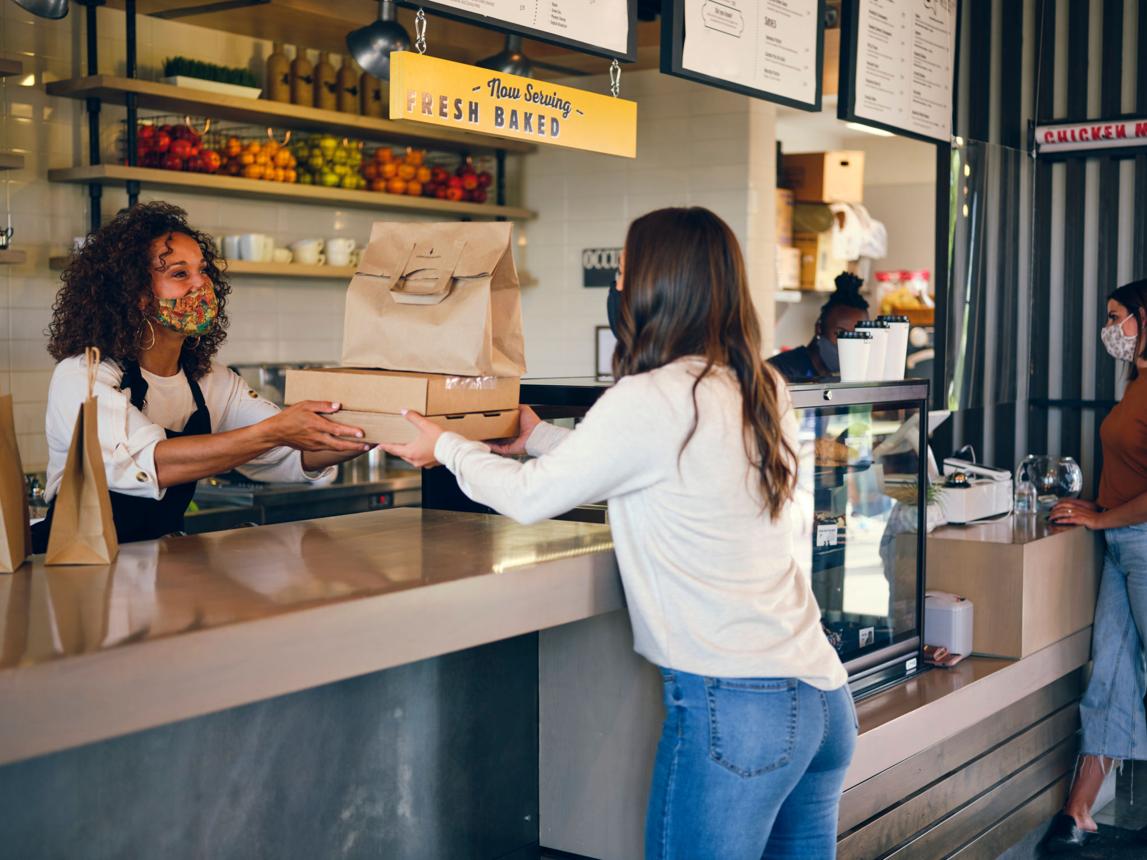
Takeout, delivery, curbside pickup, catering, and hybrid fulfillment have permanently reshaped restaurant economics.
The Omnichannel Restaurant
Modern restaurants increasingly operate as multi-channel businesses.
A single location may simultaneously support:
- Traditional dine-in guests
- App-based pickup orders
- Third-party delivery drivers
- Catering operations
- Digital loyalty customers
- Event and group dining
This operational complexity creates both opportunity and friction.
Restaurants that optimize layout, workflows, packaging, staffing, and order visibility outperform those that treat off-premise as operational improvisation.
Recommended Graph Placement
GRAPH: Restaurant Revenue Mix — On-Premise vs Off-Premise (2026)
| Channel | Estimated Share |
|---|---|
| Dine-In | 55–65% |
| Takeout/Pickup | 20–25% |
| Delivery | 10–15% |
| Catering/Other | 5–10% |
Dining Rooms Continue to Matter
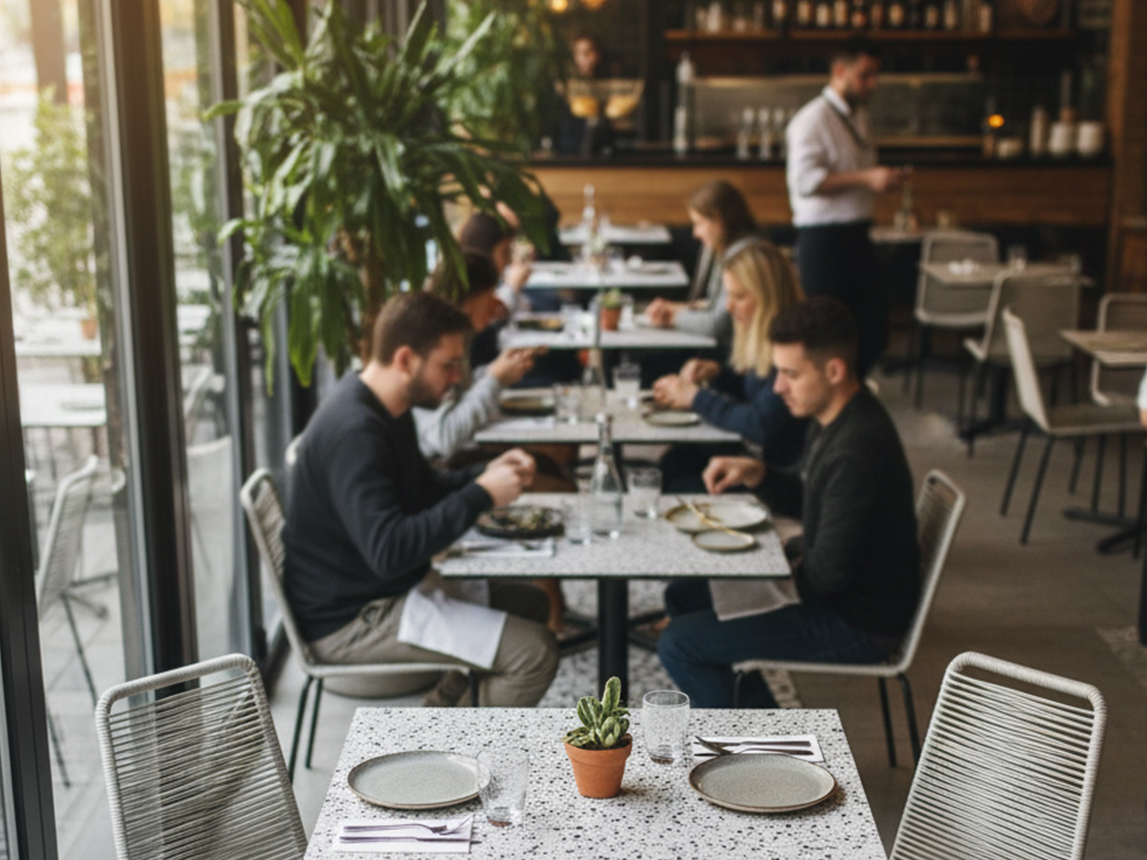
Despite digital acceleration, physical experience remains strategically important.
Restaurants continue functioning as:
- Social gathering places
- Experiential environments
- Celebration venues
- Business meeting locations
- Community hubs
Design, seating, comfort, acoustics, and atmosphere remain powerful competitive variables.
The most successful operators increasingly balance throughput efficiency with hospitality quality.
 |
 |
 |
The restaurant of 2026 is increasingly omnichannel.
Operators must optimize for both digital convenience and physical hospitality.
7. Menu Innovation, Health, and the New Consumer Appetite
Consumer dining preferences continue evolving in more nuanced ways.
Guests increasingly want:
- Better-for-you choices
- Menu flexibility
- Transparent ingredients
- Customization
- Protein-forward options
- Premium but approachable indulgence
Importantly, wellness trends no longer sit at the edge of restaurant strategy.
They increasingly shape menu architecture.
The Rise of Flexible Consumption
Consumers increasingly move between:
- Indulgence and restraint
- Premium dining and value-seeking
- Convenience and health optimization
This creates menu complexity.
Restaurants are learning to balance:
Comfort + health
Convenience + quality
Premium positioning + affordability
Emerging Impact: GLP-1 Medications
One emerging trend attracting executive attention is the rise of GLP-1 medications used for weight management.
Some restaurant operators report:
- Smaller portion preferences
- Greater interest in lighter meals
- Reduced alcohol consumption
- More selective ordering behavior
While long-term implications remain uncertain, many executives increasingly view changing appetite behavior as a meaningful trend to monitor.
Menu Engineering Matters More Than Ever
Winning operators increasingly evaluate menus through four lenses:
- Margin contribution
- Kitchen complexity
- Operational speed
- Consumer demand durability
Menu simplification—once perceived as limiting creativity—is increasingly viewed as operational discipline.
Recommended Graph Placement
GRAPH: Top Consumer Dining Priorities (Health & Experience)
| Preference | Importance |
|---|---|
| Taste/Quality | Very High |
| Value | Very High |
| Convenience | High |
| Healthier Options | Moderate–High |
| Customization | Moderate–High |
| Sustainability | Moderate |
Executive Takeaway
Restaurant menus in 2026 increasingly reflect behavioral flexibility rather than fixed consumer identities.
8. Winners vs. Laggards: What High-Performing Restaurants Are Doing Differently
The performance gap inside the industry continues widening.
Some restaurants remain trapped in margin compression and inconsistent traffic.
Others continue growing despite identical macroeconomic conditions.
Why?
Because operational maturity increasingly separates winners from laggards.
High-Performing Operators Typically Share Several Characteristics
Operational Discipline
Leading restaurants obsess over:
- Labor productivity
- Inventory efficiency
- Scheduling accuracy
- Throughput
- Table turns
- Procurement
Clear Positioning
Winning brands communicate a distinct value proposition.
Consumers understand:
Why this restaurant exists.
Whether the promise is convenience, premium quality, hospitality, price leadership, atmosphere, or speed, clarity matters.
Consistency
Execution consistency increasingly determines guest retention.
A strong first experience means little without repeatability.
Investment in Experience
Restaurants winning in 2026 continue investing in:
- Seating comfort
- Lighting
- Layout flow
- Acoustic management
- Visual identity
- Hospitality training
Even value-oriented concepts increasingly compete on experience quality.
“The strongest restaurant businesses in 2026 are not necessarily the cheapest, fastest, or most technologically advanced—they are the most operationally disciplined and consistently relevant.”
Executive Takeaway
Restaurants increasingly succeed through executional excellence rather than singular innovation.
9. Outlook: What Comes Next for Restaurants?
Over the next 12–36 months, several themes are likely to shape restaurant performance.
1. Margin Protection Becomes Strategic
Expect continued emphasis on:
- Menu engineering
- Labor productivity
- Procurement optimization
- Cost controls
- Operational simplification
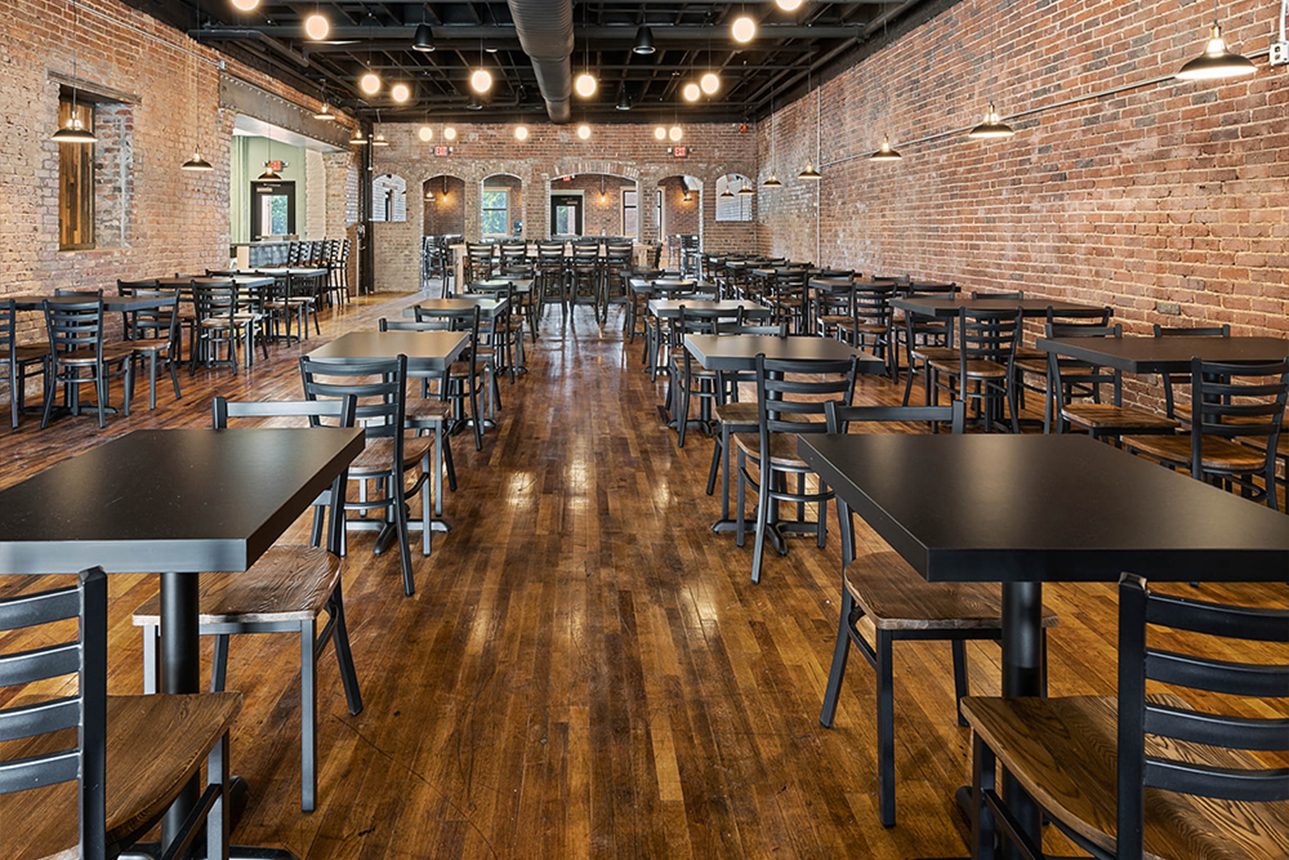
2. Experience Becomes a Differentiator Again
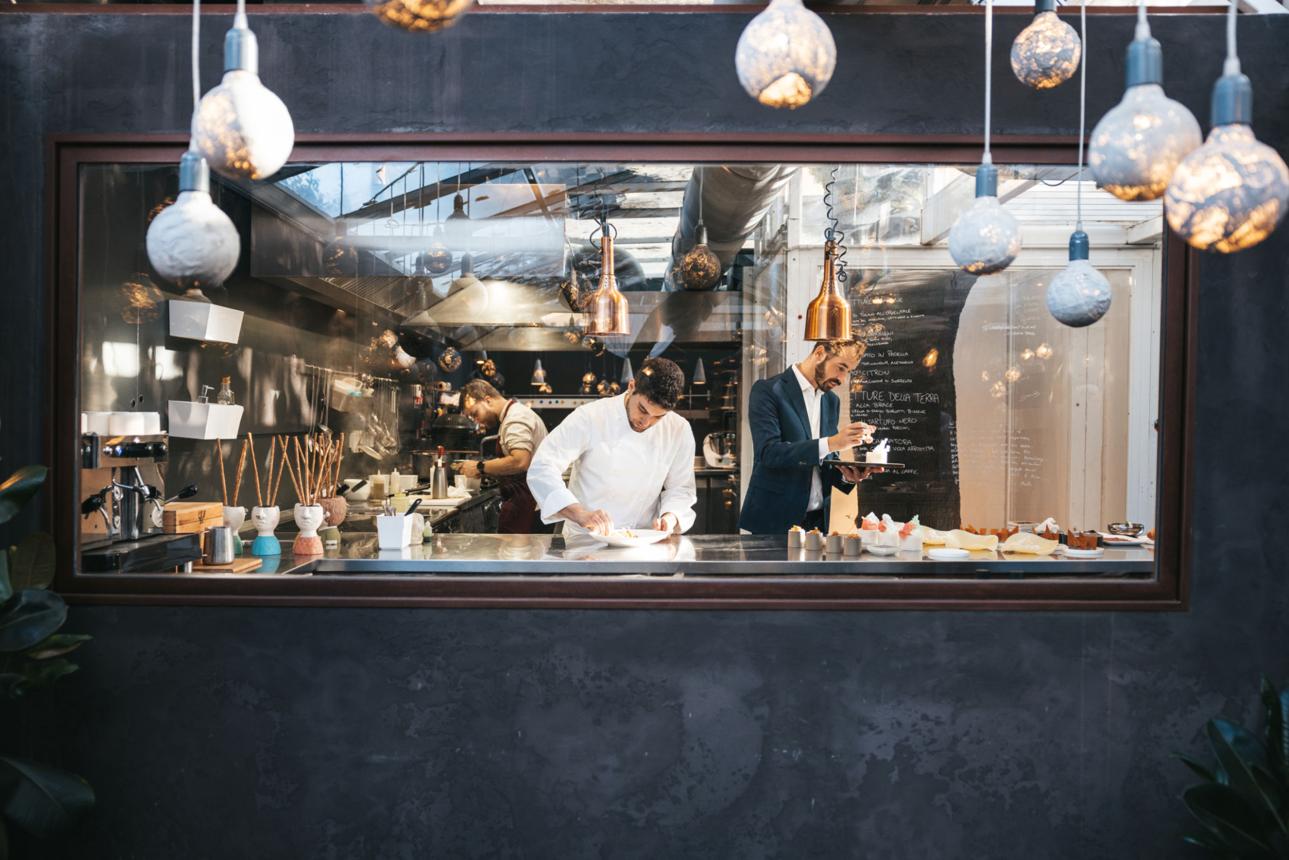
As convenience normalizes, restaurants may increasingly compete on:
- Hospitality
- Comfort
- Design
- Atmosphere
- Human interaction
3. Technology Consolidation Accelerates
Operators increasingly seek integrated platforms rather than fragmented software stacks.
Expect tighter connections between:
- POS systems
- Loyalty platforms
- Scheduling
- Inventory systems
- Guest analytics
4. Consumer Selectivity Continues
Consumers will likely continue dining out—but more intentionally.
Restaurants must increasingly justify spend through perceived value.
 |
 |
 |
The restaurant industry is entering a period defined less by disruption and more by strategic adaptation.
Conclusion: Resilient, Evolving, and More Demanding Than Ever
The restaurant industry in 2026 remains one of the most dynamic sectors of the economy.
Consumer demand remains resilient.
Dining experiences continue to matter.
Innovation continues accelerating.
Yet operators face an increasingly difficult balancing act.
Restaurants must simultaneously manage:
- Rising costs
- Labor evolution
- Technology investment
- Changing consumer expectations
- Margin compression
- Omnichannel complexity
The restaurants positioned to thrive are those that embrace discipline without losing hospitality.
Success increasingly belongs to businesses capable of combining operational efficiency with emotional resonance—delivering convenience without sacrificing experience and profitability without compromising consistency.
If 2020–2024 were years of disruption and recovery, 2026 may ultimately be remembered as the year restaurants entered a new era of operational maturity.
Statistics
$1.55T+
Projected U.S. restaurant industry sales
15M+
Restaurant jobs supported nationwide
Very High Priority
Consumer expectations for value + convenience
Permanent Shift
Off-premise dining remains core to restaurant economics
Editorial Sources & Research References
- National Restaurant Association State of the Industry reporting
- National Restaurant Association Research
- McKinsey Restaurant Consumer Research
- S&P Global Market Intelligence Restaurant Analysis
- Wall Street Journal Restaurant Industry Coverage